

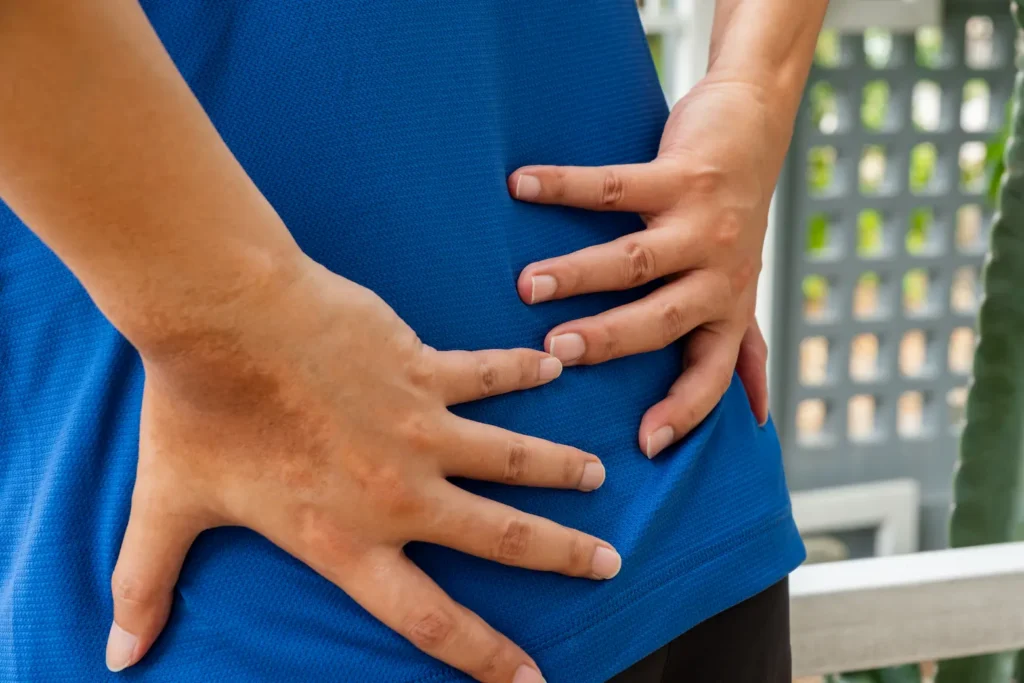
Nothing is more unnerving than shooting pain that can debilitate you to the point of immobility.
Sciatica is one of the most common nerve-related injuries following a car accident, yet it’s frequently misunderstood, making your recovery roadmap needlessly harder to navigate. It’s a tricky injury as after a crash you may initially believe you are experiencing simple lower back pain, only to discover weeks later that sciatic nerve irritation is the real source of your symptoms and all the problems that go with it.
Modern accident rehabilitation clinics such as Colorado Accident Chiropractor, use advanced diagnostics, non-invasive spinal therapies, and neurological rehabilitation to treat sciatica caused by crash trauma. If you’ve recently been in a collision and are experiencing radiating leg pain, numbness, tingling, or weakness, here are five important things you should know about sciatica pain relief after auto accidents and how to better get the care you need.
1. Sciatica Starts as ‘Silent’ Lower Back Pain
The quote/unquote silent impact of lumbar trauma often mimics general back pain, wherein lies the rub. This is because one of the biggest challenges after a collision is identifying nerve-related injuries early. In fact, sciatica frequently begins with symptoms that look like standard lumbar strain or stiffness.
This is why many accident victims delay treatment. If you can avoid doing so you should as underlying issues may include lumbar disc herniation, piriformis syndrome caused by muscle spasm after impact, sacroiliac joint dysfunction, or aggravation of pre-existing spinal stenosis.
Many of these conditions compress or irritate the sciatic nerve, leading to a variety of issues. Clinics specializing in accident recovery like Colorado Accident Chiropractor focus on early identification of nerve involvement to prevent chronic sciatica.
If you aren’t sure what is causing you trouble look for the classic symptoms of:
- Sharp radiating leg pain
- Numbness or tingling in the toes
- Motor weakness or foot drop
- Antalgic lean (leaning away from pain)
2. Sciatica Is More Than Just Back Pain
Nerve conditions can be so much more involved than you think and trickle into everything from sensation in limbs Many people think sciatica is a standalone condition, but it’s actually a symptom of nerve compression or irritation.
This is why you need providers that know the nuances of what can be a deceptive condition. Accurate diagnosis is critical because treatment strategies differ. In fact, differentiating between radiculopathy and peripheral neuropathy after a crash often comes down to doctors being able to distinguish between two similar conditions:
- True Sciatica (Radiculopathy): Caused by disc herniation compressing a spinal nerve root
- Peripheral Nerve Entrapment: Often due to piriformis muscle compression of the sciatic nerve
Neurodynamics also plays a role as deceleration trauma from car accidents can disrupt axoplasmic flow, the process that transports nutrients through nerve fibers. When this happens your nerve inflammation increases, pain signals intensify and movement becomes restricted,
Advanced rehabilitation programs incorporate neural mobilization techniques such as nerve flossing and nerve gliding to restore normal nerve movement. This integrated approach much like the one Colorado Accident Chiropractor uses helps patients regain function without aggressive surgery. This is a win-win when it comes to your recovery timeline.
3. Proper Diagnosis Requires More Than X-Rays
After an accident, many emergency departments perform X-rays, but these scans primarily detect bone fractures, not soft tissue injuries. Putting your best foot forward with soft tissue pathology usually requires recognizing the problem before attempting to fix it.
For example, to properly diagnose sciatica, doctors often require advanced testing which help confirm nerve impingement and neurological dysfunction. Here are a few ways you might be examined:
- MRI (Magnetic Resonance Imaging): This is best for detecting disc herniations, annular fissures, and nerve root compression.
- EMG/NCS (Electromyography / Nerve Conduction Studies): Used to measure nerve signal velocity and muscle response to nerve stimulation.
- Orthopedic Diagnostic Tests: Clinicians may also perform these in the form of straight leg raise test or slump test which help evaluate and determine whether nerve root compression is present.
4. Most Sciatica From Car Accidents Can Be Treated Without Surgery
The good news is that the majority of auto accident sciatica cases respond well to conservative care, which means you won’t necessarily have to go under the knife or deal with post-surgery recovery. Many patients often describe the results as life-saving after weeks of debilitating pain and here are a few key takeaways as options that have a high success rate.
Conservative Care Options
Accident rehabilitation clinics typically begin with chiropractic spinal adjustments or variation based on your specific injury. These basic maneuvers help restore spinal alignment and reduce pressure on affected nerve roots. It’s a great option for non-invasive spinal decompression.
Non-Invasive Spinal Decompression in Trauma Rehabilitation
This therapy is frequently combined with physical rehabilitation, but it has evolved into a needed option outside of surgery as well. Spinal decompression therapy gently stretches the spine, creating negative pressure that helps retract herniated discs, improve nutrient flow to damaged tissue and relieve pressure on the sciatic nerve.
Rehabilitation Techniques
It’s not necessarily a short list of things you can try to feel better. Common physical therapy approaches include:
- McKenzie method: Disc-focused exercises to centralize pain
- Nerve flossing or gliding: Restores nerve mobility
- Postural rehabilitation: Reduces pressure on the lumbar spine
Pain Management Options
No one should have to live with chronic pain. However, this does mean you necessarily have to have surgery or even do extensive PT. When necessary, doctors may recommend epidural steroid injections (ESI) for severe inflammation, which will help dull the aches and give your body a chance to heal outside of survival mode.
Surgical Consultation
Surgery may only be recommended when red flag symptoms appear, and won’t be alleviated by non-invasive programs or pain management options. In those rare cases, microdiscectomy surgery may be considered. Here’s what to look out for:
- Severe progressive weakness
- Loss of bowel or bladder control
- Large disc extrusion
5. Early Treatment Strengthens Both Recovery and Legal Documentation
Per usual, the power of any legal case following a crash is in the paperwork. Auto accident injuries are often part of insurance or personal injury claims, so stay vigilant. Receiving care early helps establish medical documentation linking the crash to your symptoms.
Providers such as Colorado Accident Chiropractor emphasize transparent, thorough documentation while providing gentle, attentive, and compassionate care for patients navigating both recovery and insurance claims.
Because accident-focused providers use structured evaluations to document injuries properly, taking notes and filing all important paperwork will go a long way to cutting red tape down the line. Here are a few examples of documentation you may need:
- Mapping dermatomes to crash vectors that identify which spinal nerve roots match symptom patterns
- Establishing causality which determines whether the injury is acute (caused by the crash) or pre-existing
- Documenting impact on Activities of Daily Living (ADLs) such as impairments to your walking, sitting, sleeping or working abilities.
Final Take: Managing Your Sciatica at Home After a Car Accident
There is no way around the fact that sciatica after a car accident can be debilitating, but with the right diagnosis and treatment plan, most patients recover without surgery. Remember, by combining advanced imaging, chiropractic care, spinal decompression, and neurological rehabilitation, clinics like Colorado Accident Chiropractor help accident victims restore mobility, reduce pain, and regain control of their daily lives.
Modern sciatica treatment increasingly combines neurological diagnostics with orthopedic rehabilitation. In addition to professional care, patients can support recovery at home. Here’s how:
- Anti-Inflammatory Nutrition: Foods rich in omega-3 fatty acids, leafy greens, and antioxidants may help reduce inflammation.
- Positional Relief for Sleeping: Many patients find relief by sleeping on their side with a pillow between the knees to maintain spinal alignment.
- Ice vs. Heat Timing: Within the first 48 hours use ice to reduce inflammation, and then for later stages of recovery use heat to relax tight muscles.
Accident specialists such as Colorado Accident Chiropractor use this structured, patient-focused model to provide care that is knowledgeable, effective, empowering, and compassionate.
FAQs
How long does sciatica last after a car accident?
Recovery varies depending on injury severity, but many cases improve within 4 and 12 weeks with proper treatment.
Can a car accident cause sciatica immediately or is it delayed?
Both are possible. Some patients feel symptoms immediately, while others experience delayed nerve inflammation days or weeks later.
How do I prove my sciatica was caused by the car accident?
Medical documentation, imaging studies, and timely treatment records help establish a connection between the accident and your symptoms.
What is the difference between a herniated disc and sciatica?
A herniated disc is a structural injury in the spine. Sciatica refers to the nerve pain that results from that injury.
Is walking good for sciatica pain after an injury?
Gentle walking can help maintain mobility, but intense activity should be avoided until evaluated by a healthcare professional.
Can chiropractic care fix sciatica from a car crash?
Many patients experience relief through chiropractic adjustments, spinal decompression, and rehabilitation exercises.
When should I get an MRI for back pain after a wreck?
If pain radiates into the leg, causes numbness, or lasts more than a few weeks, an MRI may be recommended to identify nerve compression.
 Why the First 72 Hours After a Car Crash Are Overwhelming